Categories
Burnout, Grief and Acceptance

When the Body Carries What the Mind Can’t

For a long time, I trusted my ability to push through.
Caregiving trains you to override yourself. To function despite exhaustion. To normalize levels of stress that would stop most people in their tracks. You learn how to live in a body that is always alert.
Until the body refuses.
My symptoms didn’t feel dramatic at first. They felt inconvenient. Dizziness. Vision changes. Nausea. Fatigue. I told myself it was stress. Hormones. Lack of sleep. Anything but a signal I needed to stop.
But caregiving doesn’t leave room for stopping.
I moved through doctors’ offices and diagnostic tests while still managing daily life at home. MRIs. Procedures. Waiting rooms. Fear that lived quietly in my chest while I continued feeding, supervising, regulating, and holding space for my children.
There was a moment-waiting for results-when everything inside me went quiet. Not calm. Shut down. And even then, I kept going. Because caregiving doesn’t pause for uncertainty.
When the diagnosis came, there was relief. And also clarity.
My body wasn’t betraying me.
It was protecting me.
It had been absorbing years of unrelenting vigilance, responsibility, and emotional labor. It was carrying what I had not been able to set down.
Healing didn’t come from answers alone. It came from permission.
Permission to change how we live. Permission to set boundaries without justification. Permission to stop performing strength. Permission to protect my nervous system as fiercely as I protect my children.
I am still learning how to listen to my body without fear. How to trust its signals. How to respond with care instead of urgency.
This body has carried my children through everything.
It deserves to be listened to now.

My take away from going through this was to listen to my body. Doctors are programmed to find the “problem”, run the tests, prescribe the “fix”. They may feel unprepared to tell you that this could all be stress induced. Yes, I checked the boxes with the doctors because stress does being on real medical problems as it did for me, but ultimately, it was listening to my gut and my body to learn that it was STRESS that was the problem that needed to be “fixed”.
Categories
Burnout, Grief and Acceptance

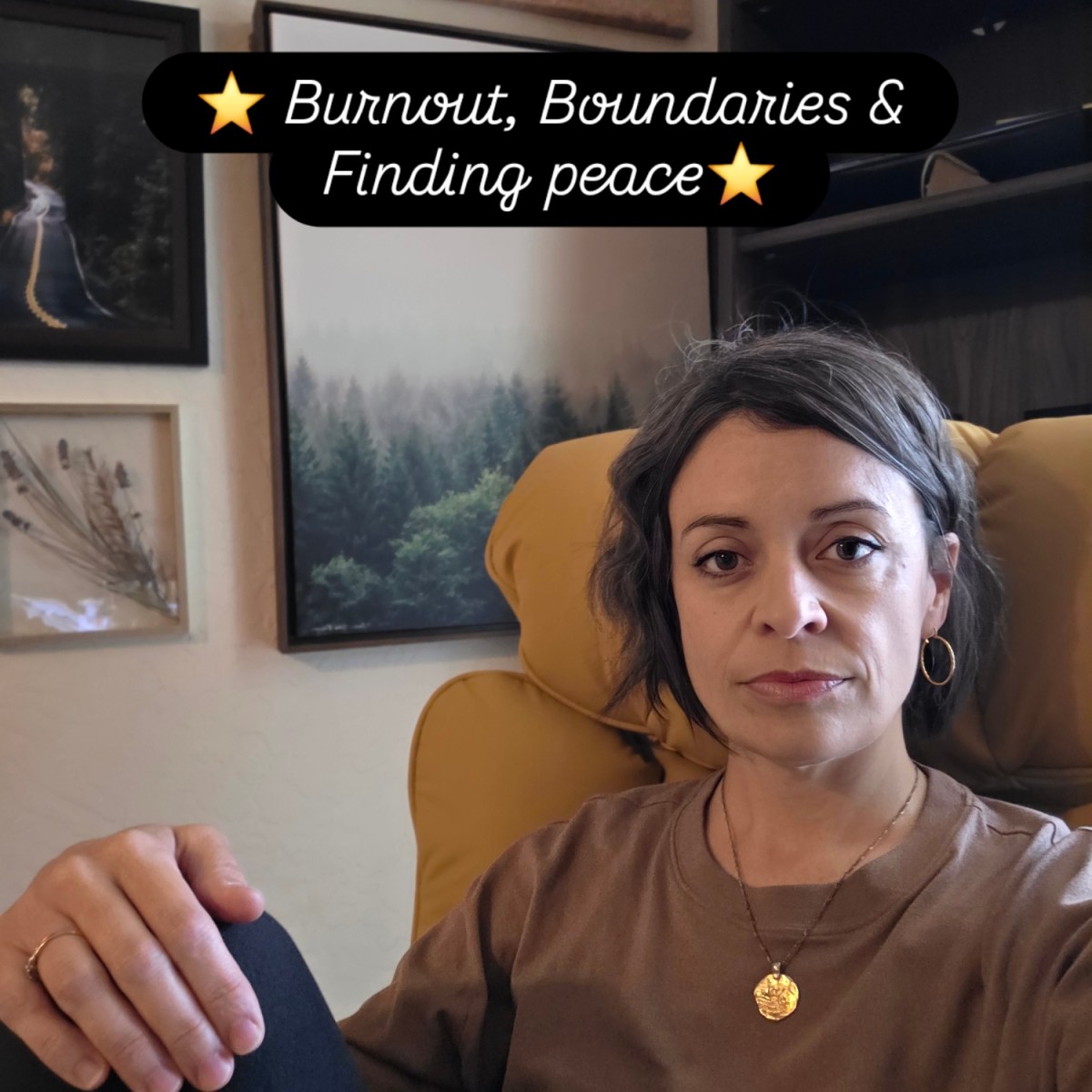
Burnout,Boundaries, and Finding Peace

Burnout didn’t arrive for me just once.
It has come in waves over the last decade of parenting children with complex needs. Each time, it looked a little different. Each time, it asked more of my body than I realized I had left to give.
For a long time, I didn’t call it burnout. I thought it was just what parenting required of me. Constant vigilance. Constant adjustment. Constant emotional presence. I learned how to function inside that level of demand so well that I stopped noticing how dysregulated my body had become.
The most recent wave pushed me past a threshold.
In January, our son hit PDA burnout and could no longer attend school. He needed constant support, safety, and regulation at a time when we were already operating at half capacity. Helping him recover required everything we had left.
And then some.
Caregiving doesn’t pause when a child falls apart. It intensifies. You show up more, listen harder, hold steadier-often while your own system is quietly unraveling.
That’s when my body began to speak more clearly than my mind ever had.
Dizziness. Vision changes. Nausea. Weight gain. Fatigue that sleep couldn’t touch. Anxiety and depression layered over everything. I moved through appointments and tests while still functioning at home, because our children couldn’t wait for answers.
Eventually, the tests came back. There was relief. There was fear. And there was a deeper realization underneath it all:
I couldn’t keep doing this the way I had been for the last ten years.
Nothing about our life was going to suddenly become easier. But something had to change.
We started questioning everything we had been unconsciously carrying-expectations around school, work, social obligations, and what a “normal” family life was supposed to look like. We began setting boundaries that protected our capacity instead of performing resilience for the outside world.
The changes were not dramatic. They were deliberate.
I learned how to live inside chaos without letting it live inside my body. I found tools that helped me regulate instead of override myself. I stopped trying to educate everyone and started choosing who felt safe enough to stay close.
Peace didn’t arrive as calm or ease.
It arrived as capacity.
It looked like being able to sit with my children in discomfort, frustration, or pain-without fixing it, without absorbing it into my nervous system. It looked like allowing help without guilt. Like honoring grief without trying to resolve it.
As our family adapted, joy returned-not the loud kind, but the steady kind. The kind that comes from being understood. From being accepted. From no longer explaining yourself to people who aren’t living this life.
Burnout taught me my limits.
Boundaries taught me how to live within them.
I’m still a caregiver. Still a mother. Still navigating a life that requires constant attunement.
But I’m learning how to be here without disappearing.
And for now, that is peace.